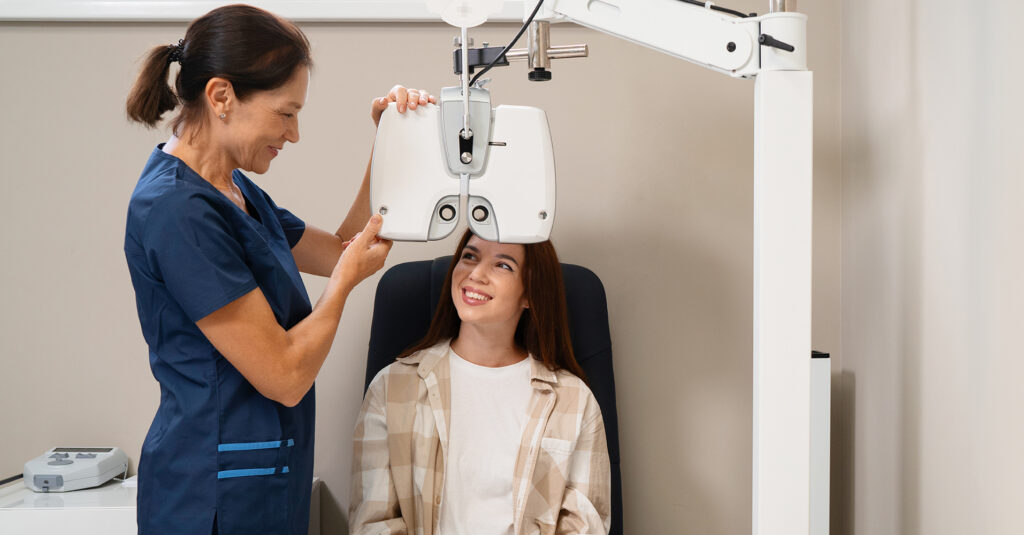

Employee benefits play a major role in shaping workplace satisfaction, productivity, and talent retention. While employers often prioritize health and dental insurance when designing benefits packages, vision coverage is sometimes treated as an optional extra. However, considering how heavily employees depend on their eyesight every day, particularly in screen-focused workplaces, eye insurance deserves far more attention. Eye insurance plans can support preventive healthcare, improve employee comfort and productivity, and provide meaningful financial value for both workers and employers.
What makes investing in eye insurance plans a good idea for employers
Good vision is essential for completing countless everyday work activities. Employees may spend hours reading documents, responding to emails, analyzing spreadsheets, attending virtual meetings, reviewing designs, operating machinery, or working with digital dashboards. As workplaces become increasingly dependent on computers and mobile devices, prolonged screen exposure has also become a common source of visual discomfort.
Employees experiencing uncorrected vision problems or digital eye strain may deal with headaches, tired eyes, blurred vision, difficulty focusing, dryness, and sensitivity to light. Even relatively minor vision difficulties can make routine tasks more challenging and uncomfortable. Over time, these issues may contribute to reduced concentration and lower workplace efficiency. Access to eye insurance plans gives employees an easy and affordable way to address these concerns. Instead of postponing an eye examination because of cost, employees may be more likely to seek professional care when they have coverage.
Vision insurance is not simply about helping employees purchase glasses or contact lenses. Regular eye examinations can play an important role in maintaining overall health. During a comprehensive eye examination, an eye-care professional may identify signs that warrant further medical evaluation. Certain changes in the eyes can be associated with conditions such as diabetes, hypertension, and other health problems. Eye examinations can also help detect eye-related conditions, including glaucoma, cataracts, and age-related changes, at an earlier stage.
Early identification is important because many eye conditions may progress gradually without obvious symptoms. Employees who regularly visit an eye-care professional have a better opportunity to identify potential problems before they significantly interfere with daily life. For employers, encouraging preventive eye care can complement broader employee wellness initiatives. A relatively straightforward benefit can therefore contribute to a more proactive approach to healthcare.
Employees need clear, comfortable vision to perform their responsibilities effectively. Whether someone works in an office, from home, in a laboratory, at a construction site, or in a customer-facing environment, visual ability can influence how efficiently they complete their tasks. An employee struggling to read text on a monitor or experiencing persistent headaches may require more breaks or take longer to complete certain assignments. Visual discomfort can also make it harder to maintain attention during lengthy tasks.
Providing vision benefits can help employees obtain updated prescriptions, appropriate eyewear, and routine professional examinations. When employees can see comfortably, they may be better equipped to concentrate on their responsibilities rather than dealing with preventable visual difficulties. This is particularly relevant for organizations where employees spend much of their working day in front of computers. Employers can combine vision coverage with practical measures such as screen breaks, appropriate workplace lighting, ergonomic workstations, and guidance on reducing digital eye strain.