
The benefits of wearing hearing aids reach far beyond simply making sounds louder. For people living with hearing loss, a properly fitted hearing aid can play an important role in improving communication, confidence, independence, and overall quality of life. With the right device, professional fitting, and consistent use, individuals with hearing loss can overcome many everyday communication challenges and remain more actively engaged in the experiences that make life rewarding.
Features of hearing aids and why should they be consistently worn
When hearing difficulties are left untreated, diverse aspects of one’s life might get affected. Conversations may become frustrating, social situations can feel exhausting, and individuals may begin avoiding gatherings because they are unable to follow what others are saying. Over time, these challenges can contribute to loneliness, reduced confidence, and emotional strain. To steer clear of such issues, it is better to invest in a good hearing aid.
Clear communication is especially important in professional environments. Modern workplaces often require employees to participate in meetings, collaborate with colleagues, communicate with customers, and respond quickly to changing situations. Untreated hearing loss can make these routine interactions unnecessarily difficult. Missing important details during a meeting or misunderstanding instructions can affect productivity and professional confidence. Wearing appropriate hearing aids can help reduce these communication barriers, allowing individuals to participate more comfortably and confidently at work.
The same benefits extend to personal relationships. Being able to hear conversations with family members and friends can make social interactions more enjoyable and meaningful. From following a discussion around the dinner table to hearing a loved one speak from another room, improved access to sound can help people remain actively involved in everyday moments. Consistent hearing aid use can therefore support stronger social connections and reduce the tendency to withdraw from conversations.
Over time, advances in hearing technology have transformed the experience of using hearing aids. Today’s devices are considerably more sophisticated, comfortable, discreet, and convenient than the models available in previous generations. Instead of functioning simply as basic sound amplifiers, modern hearing aids use sophisticated digital processing to analyze sounds and deliver a more balanced listening experience. Features like Bluetooth connectivity allow users to connect their hearing aids directly to compatible smartphones, televisions, tablets, and other devices. This makes it possible to stream music, podcasts, videos, and telephone conversations directly into the hearing aids.
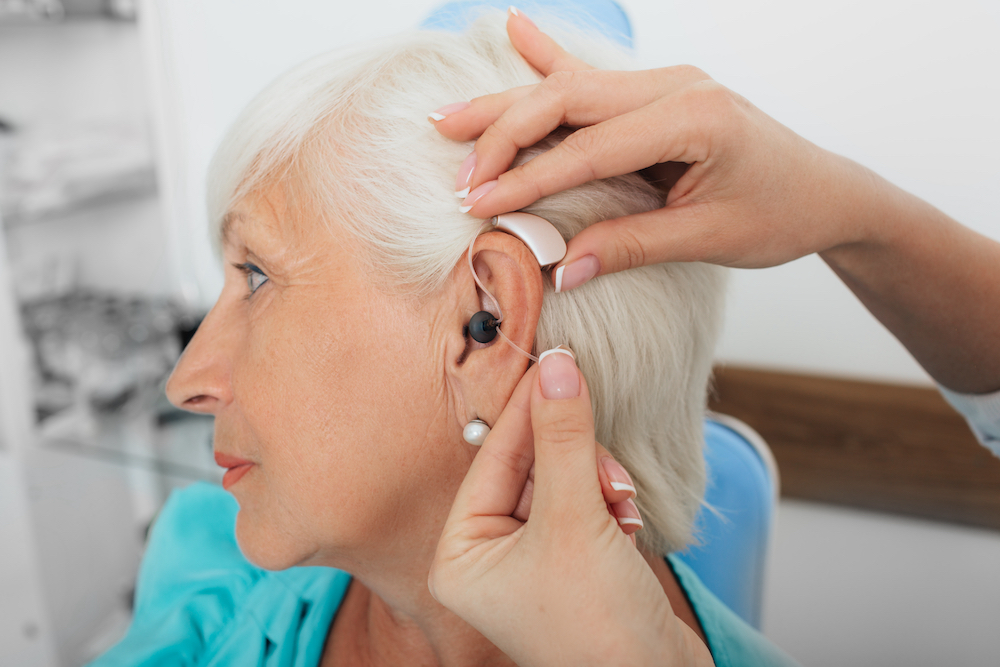
Modern hearing aids have also undergone a major transformation in terms of appearance and comfort. Older devices were often relatively large and conspicuous, which discouraged some people from wearing them. Contemporary designs are much smaller and more refined, with options created for different levels of hearing loss and personal preferences.
Although modern hearing aids contain advanced technology, their basic operation still depends on several essential components. A microphone captures sounds from the surrounding environment and converts them into electrical signals. A sophisticated processor then analyzes these signals and adjusts them according to the user’s hearing requirements and listening environment. The processed sound is subsequently delivered through a small speaker or receiver positioned near or inside the ear. A compact battery or rechargeable power system supplies the energy needed to operate the device. Together, these elements allow hearing aids to provide controlled and personalized sound amplification.